
DESIGN CREATED BY PEOPLE ACTING AS A GROUP OR ENTITIES THAT SHARE OR ARE MOTIVATED BY ONE COMMON INTEREST
DESIGN CREATED BY PEOPLE ACTING AS A GROUP OR ENTITIES THAT SHARE OR ARE MOTIVATED BY ONE COMMON INTEREST
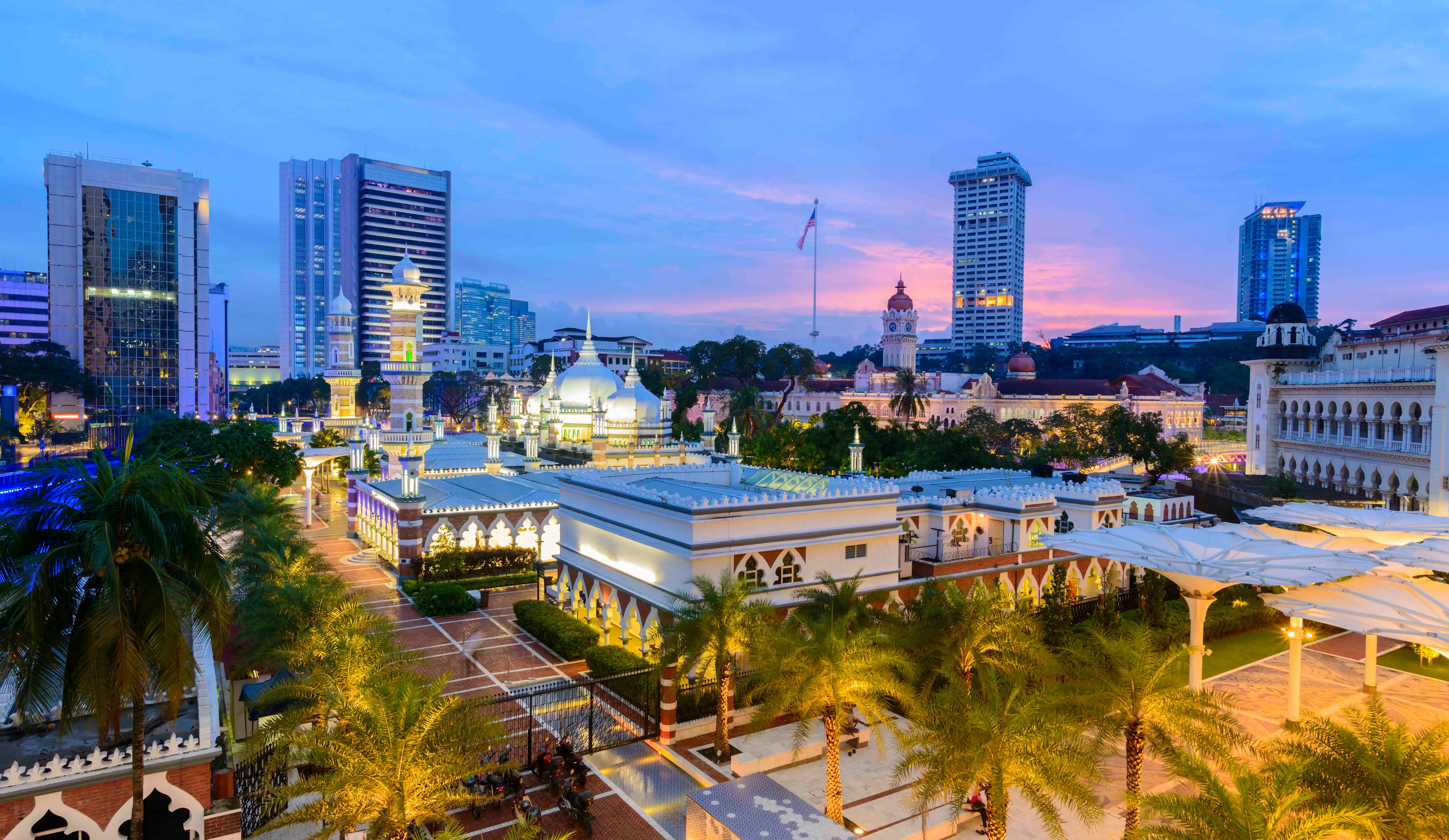

KUALA LUMPUR, MALAYSIA
DBKL
Urban Landscape
Completed
At the meeting point of the Klang and Gombak rivers, Masjid Jamek stands as a landmark deeply intertwined with the origins of Kuala Lumpur. Built in 1909, it was the first major mosque in the city. Over time, the mosque has remained a focal point for the community, both as a place of worship and as a symbol of the city’s historical beginnings. Its setting, however, faced the challenge of accommodating modern needs while respecting its heritage.
As part of the River of Life master plan, the grounds surrounding Masjid Jamek were reimagined through a landscape-driven approach. The aim was to strengthen the mosque’s connection to the rivers, enhance its public spaces, and provide a harmonious balance between functionality and cultural identity. The design process was guided by sensitivity to the mosque’s historic character and the spiritual importance of its location

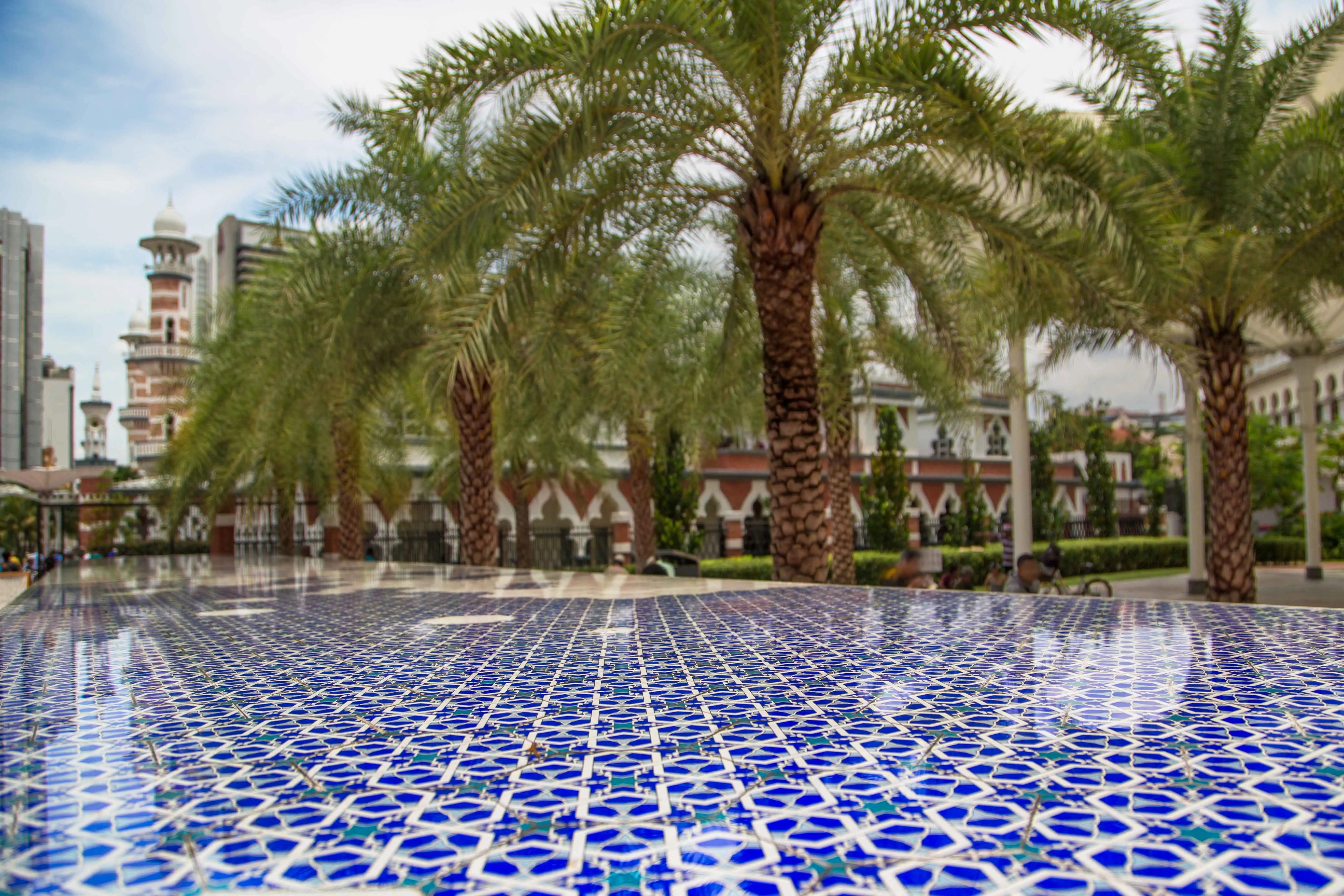
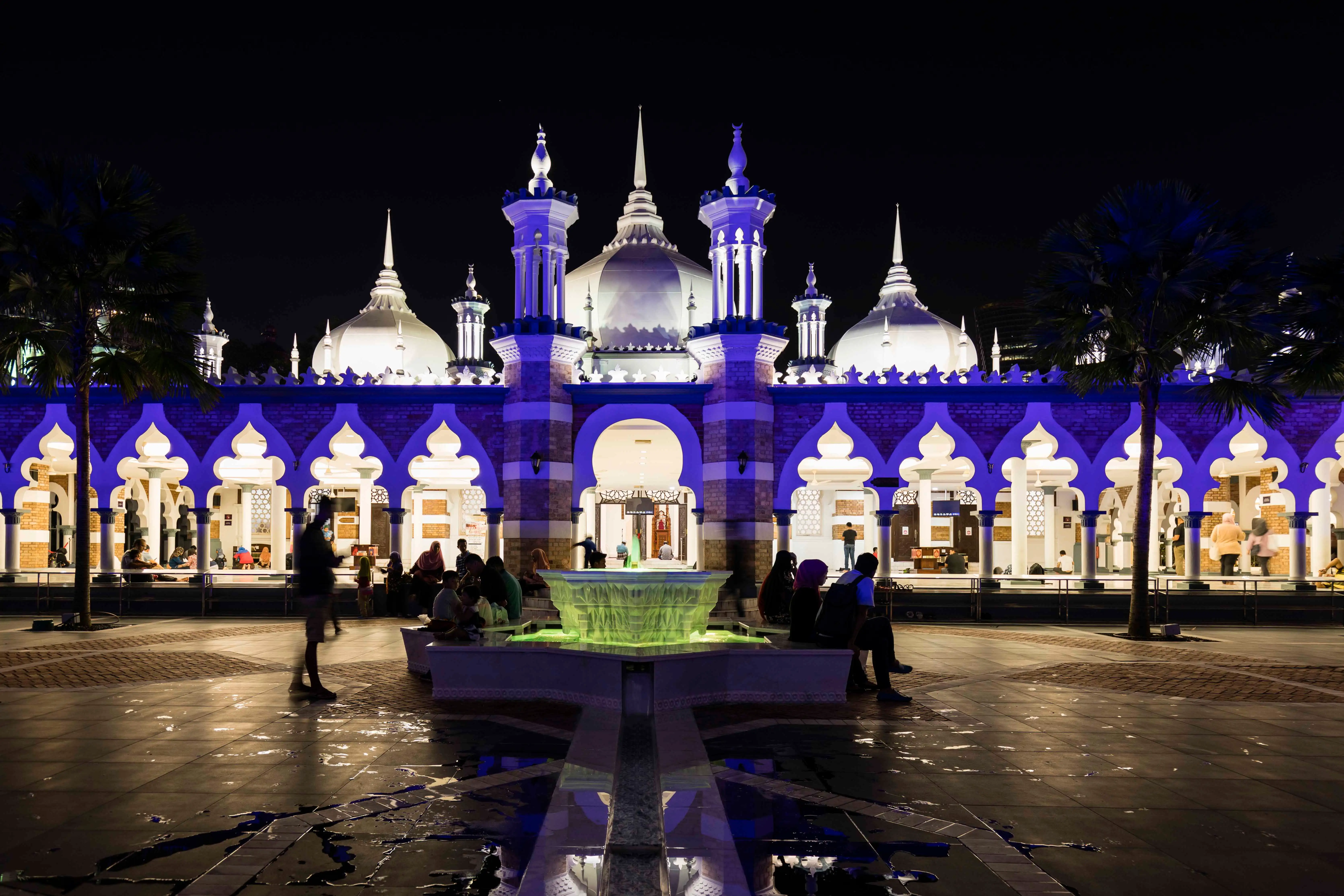
The mosque’s main forecourt was also transformed to create a more welcoming and functional arrival space. Tensile canopies provide shelter from the tropical sun and rain, while integrated water features enhance the sensory experience with the cooling presence and gentle sound of moving water. These elements work together to create a dignified and memorable threshold to the mosque.
A key heritage restoration effort involved unearthing and reinstating the original grand staircase that descends to the point where the Klang and Gombak rivers meet. This feature re-establishes a direct physical and visual link to the water, reinforcing the mosque’s role as a place anchored in the life of the rivers. The staircase once again serves as both a symbolic and practical connection to the city’s birthplace.
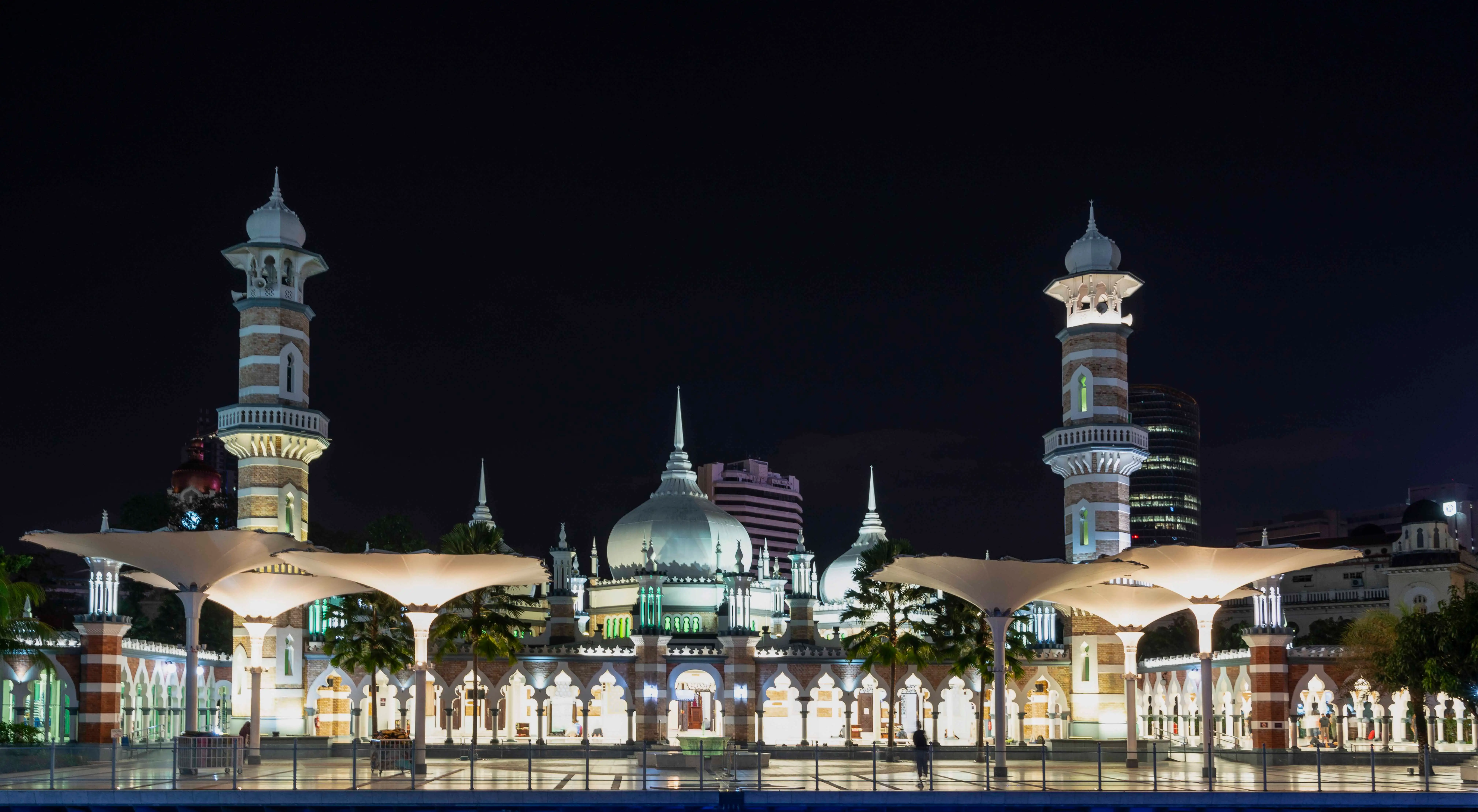
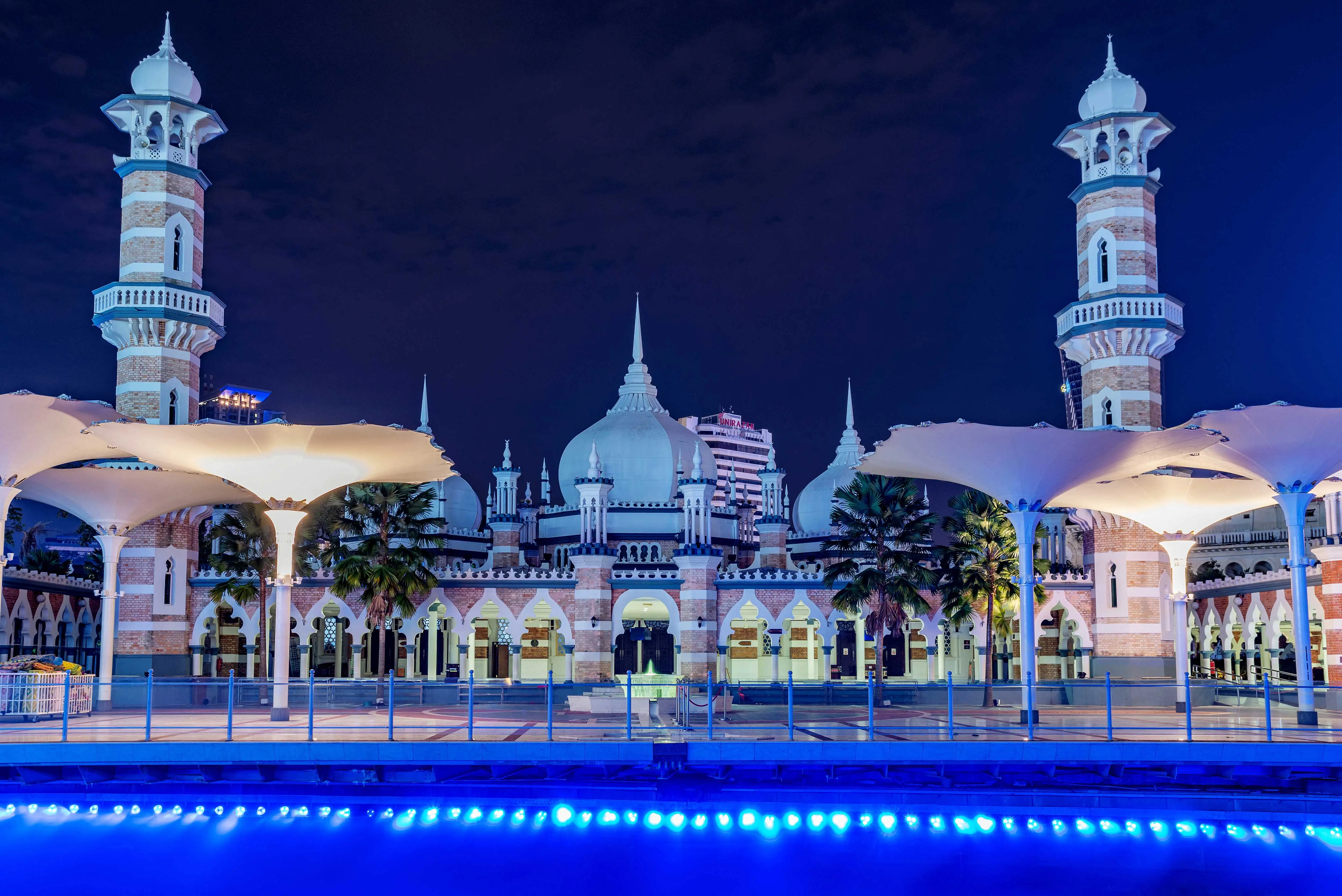
Throughout the redesign, planting was used as a unifying and expressive element. Native and regionally adapted species were selected for their resilience, seasonal qualities, and cultural resonance. In addition to the contemplative garden’s white blooms, shaded walkways and open plazas benefit from strategically placed trees and understory planting that contribute to thermal comfort and visual softness in the urban landscape.
The renovation of Masjid Jamek’s grounds demonstrates how landscape architecture can bridge past and present. By enhancing functional spaces, celebrating cultural memory, and framing the relationship between architecture and riverscape, the project reinforces the mosque’s significance in Kuala Lumpur’s story. The result is a setting that welcomes worshippers and visitors alike, offering both activity and stillness in a place where history, faith, and the landscape converge.
AECOM
WHZED
2016
2018
Design
16,000 m2
UTC/GMT +8 hours | 03:51 AM
© 2025, All rights reserved.